
Peninsula Housing
Menlo Park Downtown Housing Plan Faces Up to $45M Funding Gap
With only $15.7 million in its Below Market Rate housing reserve and total project costs estimated at $345 million, city leaders weigh how to finance 345 units across Lots 1, 2, and 3.
Your listening Queue & catch up
Add a story or build a catch-up queue to start listening.
Menlo Park’s proposal to build at least 345 affordable apartments across three city-owned downtown parking lots faces significant financial hurdles even if it survives next Tuesday’s Measure P ballot battle, with local subsidy requirements projected between $19 million and $45 million, according to The Almanac.
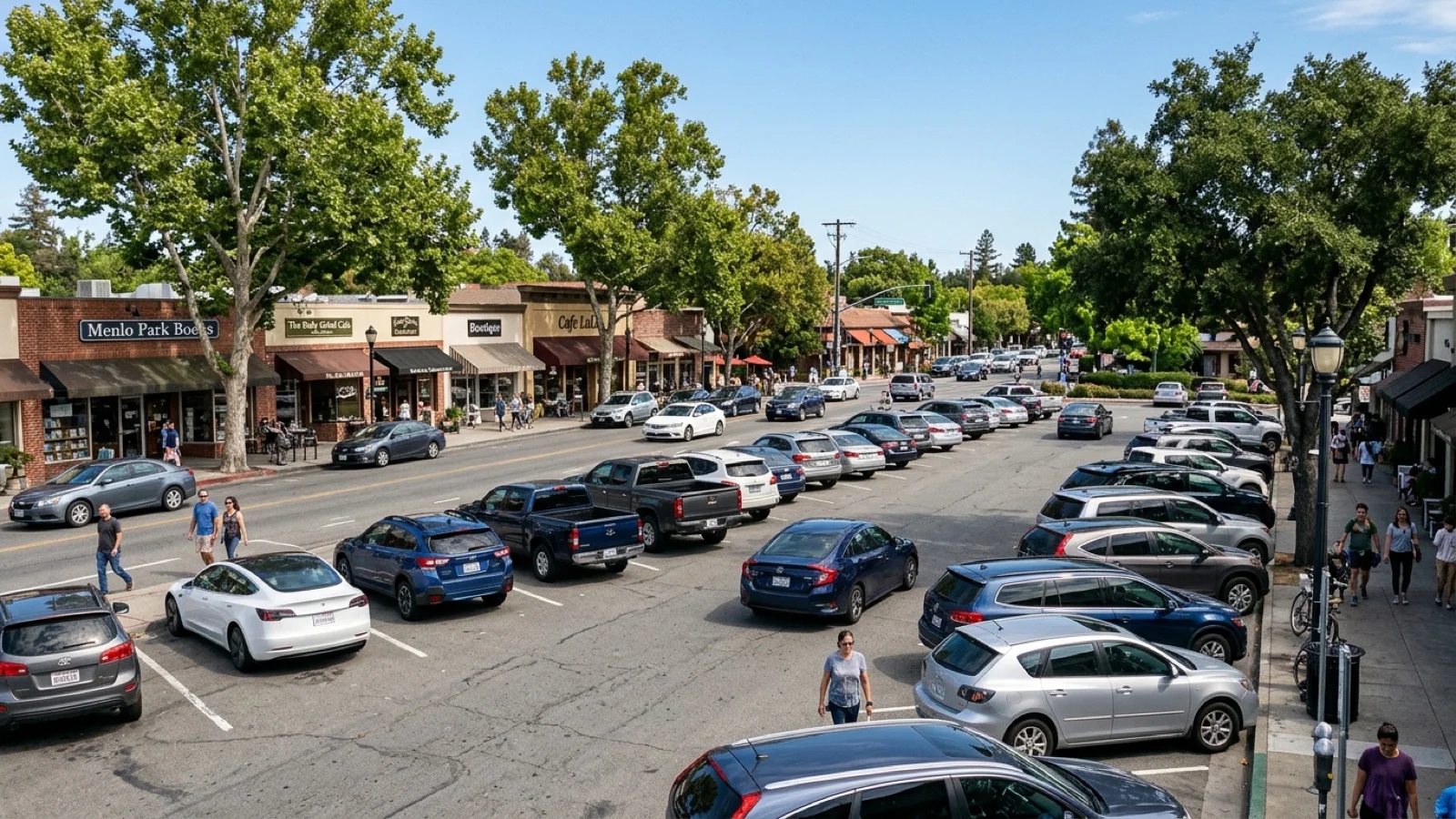
In July, the Menlo Park City Council selected developer Related California to build affordable housing on Parking Lots 1, 2, and 3 adjacent to Santa Cruz Avenue. On Nov. 3, residents will vote on Measure P, a citizen-initiated measure that would require voter approval before the city can repurpose downtown surface parking lots for housing.
A $345 Million Total Price Tag and a $15.7 Million City Reserve
At roughly $1 million per unit in Bay Area construction and financing costs, developing 345 below-market-rate apartments carries an estimated total price tag of $345 million. While the majority of affordable housing financing typically comes from federal Low-Income Housing Tax Credits and state bonds, developers rely on local municipal gap funding to make projects pencil out.
Matt Kowta, managing principal at BAE Urban Economics and Menlo Park’s housing element consultant, estimated that municipal contributions typically range from $55,000 to $130,000 per unit—translating to $19 million to $45 million for the 345-unit Menlo Park proposal.
However, Menlo Park currently holds approximately $15.7 million in its Below Market Rate (BMR) housing fund, which is replenished through commercial and residential development fees.
Fierce Competition for County and State Housing Subsidies
Related California President Gino Canori told The Almanac that securing financing will require layering city, county, state, and federal sources over multiple phases. Yet county and state funds remain oversubscribed following the withdrawal of the regional $20 billion Bay Area Housing Finance Authority bond from the 2024 ballot.
San Mateo County Department of Housing Director Ray Hodges noted that the county’s primary affordable housing funding stream, Measure K sales tax revenue, awards roughly $20 million to $35 million annually across the entire county. Mayor Drew Combs acknowledged that competition for external grants is intense and said the city will need to evaluate how much of its BMR reserve and potential land value contributions can close the gap.
Sources
Comments (0)
No comments yet. Be the first to share a thought on this story.