
Technology & AI
CoreWeave Deploys NVIDIA Vera Rubin Superclusters as Cognition AI Scales Autonomous Coding Workloads
Production infrastructure rollout delivers unprecedented interconnect bandwidth and memory density for trillion-parameter multi-agent software engineering models.
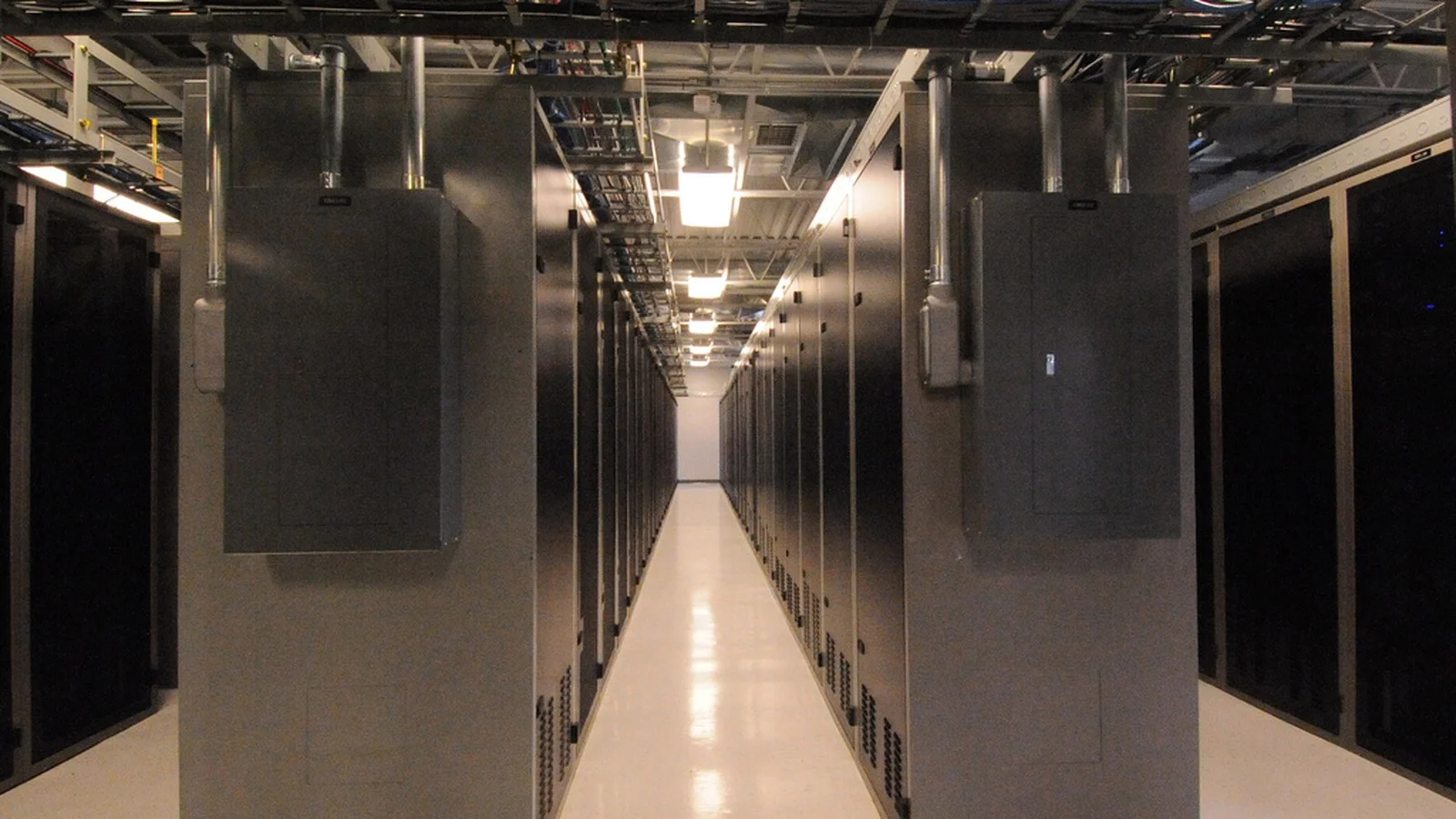
Specialized cloud compute provider CoreWeave initiated commercial deployments of NVIDIA Vera Rubin supercomputing clusters on Thursday morning, marking the operational debut of the next-generation accelerator architecture for frontier artificial intelligence labs. Applied research lab Cognition AI confirmed it has transitioned production inference and agentic training pipelines to the new silicon, demonstrating dramatic throughput gains for complex autonomous software engineering benchmarks. CoreWeave operations engineers verified cluster telemetry from their primary Northern California datacenter facilities.
The Rubin architecture integrates high-bandwidth HBM4 memory stacks and second-generation NVLink-C2C interconnects, delivering up to three times the multi-node throughput of previous generation Blackwell systems. Engineering leads at CoreWeave reported that the massive memory bandwidth eliminates historical memory wall bottlenecks that previously constrained long-context reasoning across distributed agent swarms. The deployment marks an important technological validation for Silicon Valley developers seeking to run multi-agent software development environments that concurrently analyze million-token codebases in San Francisco.
Enterprise software executives and venture investors across Silicon Valley noted that the hardware milestone substantially compresses the time required to build and verify end-to-end software features. Cognition engineers disclosed that its flagship Devin developer platform experienced a sixty-two percent reduction in latency when coordinating asynchronous compiler checks, unit test generation, and pull request reviews. The performance leap demonstrates how tightly integrated compute and networking topologies unlock practical economic viability for enterprise-scale autonomous coding assistants across commercial deployments.
Regulatory analysts and regional energy planners in California emphasized that the Rubin architecture's transition to direct liquid-to-chip cooling significantly mitigates thermal dissipation demands. The municipal city council and regional electric grid operators highlighted that improved performance-per-watt metrics are essential for data center operators confronting tight electrical substation capacity limits. Hardware analysts observed that enterprise cloud contracts for Rubin compute are already subscribed through mid-2027 by major research labs seeking dedicated capacity.
Engineering teams and infrastructure architects can examine complete benchmark comparisons, liquid cooling facility requirements, and multi-tenant partition specifications at coreweave.com or through nvidia.com. CoreWeave confirmed that developer availability for fractional Rubin GPU slices will expand to regional academic partners and tier-one research institutions starting next month. Hardware developers can schedule dedicated benchmarking slots through the CoreWeave client portal to evaluate specialized inference workloads.
Comments (0)
No comments yet. Be the first to share a thought on this story.